
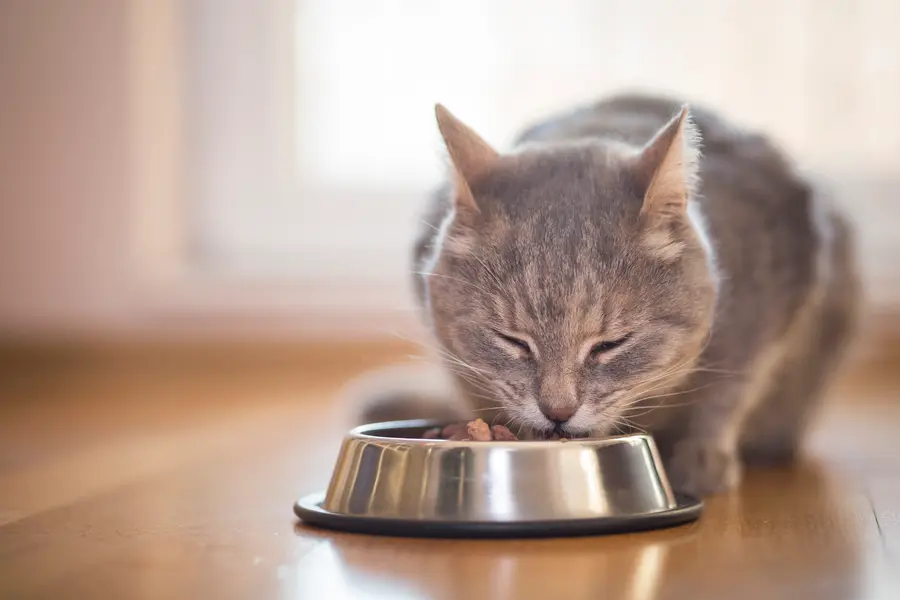
Cats are notorious for their selective eating habits, often turning their noses up at foods that don’t align with their carnivorous nature. As responsible pet owners, it’s essential to ensure that any treats or snacks we offer our feline companions are not only enticing but also safe for their delicate digestive systems. One common question that arises in this context is, “Can cats eat cashews?” Let’s delve into this query and explore the intricacies of incorporating cashews into your cat’s diet safely.
Cashews are a popular snack among humans, known for their creamy texture and nutty flavor. Rich in nutrients like protein, healthy fats, vitamins, and minerals, they offer numerous health benefits for people. However, when it comes to our furry friends, the situation is a bit more complicated.
While cashews aren’t inherently toxic to cats, they are not an ideal dietary component for several reasons. Firstly, cats are obligate carnivores, meaning their diet primarily consists of meat. Their bodies are designed to derive essential nutrients from animal sources, particularly protein and certain amino acids like taurine, which are crucial for their overall health. Unlike humans, cats lack the necessary enzymes to efficiently digest plant-based foods like cashews.
Feeding your cat cashews in large quantities or on a regular basis can lead to digestive issues such as upset stomach, diarrhea, or vomiting. Moreover, the high-fat content in cashews can contribute to obesity in cats if consumed excessively, which may predispose them to various health problems such as diabetes, joint issues, and cardiovascular disease.
Despite these concerns, occasional and moderate consumption of cashews may not pose significant harm to cats, provided certain precautions are taken. If you’re considering offering cashews to your feline friend as a treat, here are some guidelines to follow:
Moderation is Key: Limit the amount of cashews you offer to your cat and treat them as an occasional indulgence rather than a regular part of their diet. A small piece as an infrequent treat is unlikely to cause harm.
Ensure Nut Safety: Before giving cashews to your cat, ensure they are plain, unsalted, and unseasoned. Avoid cashews coated in flavorings, as they may contain ingredients that are harmful to cats, such as onions or garlic.
Monitor for Reactions: Watch your cat closely for any adverse reactions after consuming cashews. If you notice symptoms like vomiting, diarrhea, lethargy, or changes in behavior, discontinue feeding cashews immediately and consult your veterinarian.
Consider Alternatives: Instead of cashews, consider offering your cat cat-friendly treats that are specifically formulated to meet their nutritional needs. There are plenty of options available on the market that are both safe and enjoyable for cats.
Consult with Your Veterinarian: If you have any doubts or concerns about feeding cashews to your cat, it’s always best to consult with your veterinarian. They can provide personalized advice based on your cat’s individual health status and dietary requirements.
In conclusion, while cats can technically eat cashews in small amounts, they are not an essential or recommended part of their diet. As responsible pet owners, it’s our duty to prioritize our cat’s health and well-being by offering them nutritionally balanced meals that cater to their unique dietary needs. When it comes to treats, choose options that are specifically designed for cats and always err on the side of caution. By following these guidelines, you can ensure that your feline companion enjoys a safe and satisfying culinary experience.
