
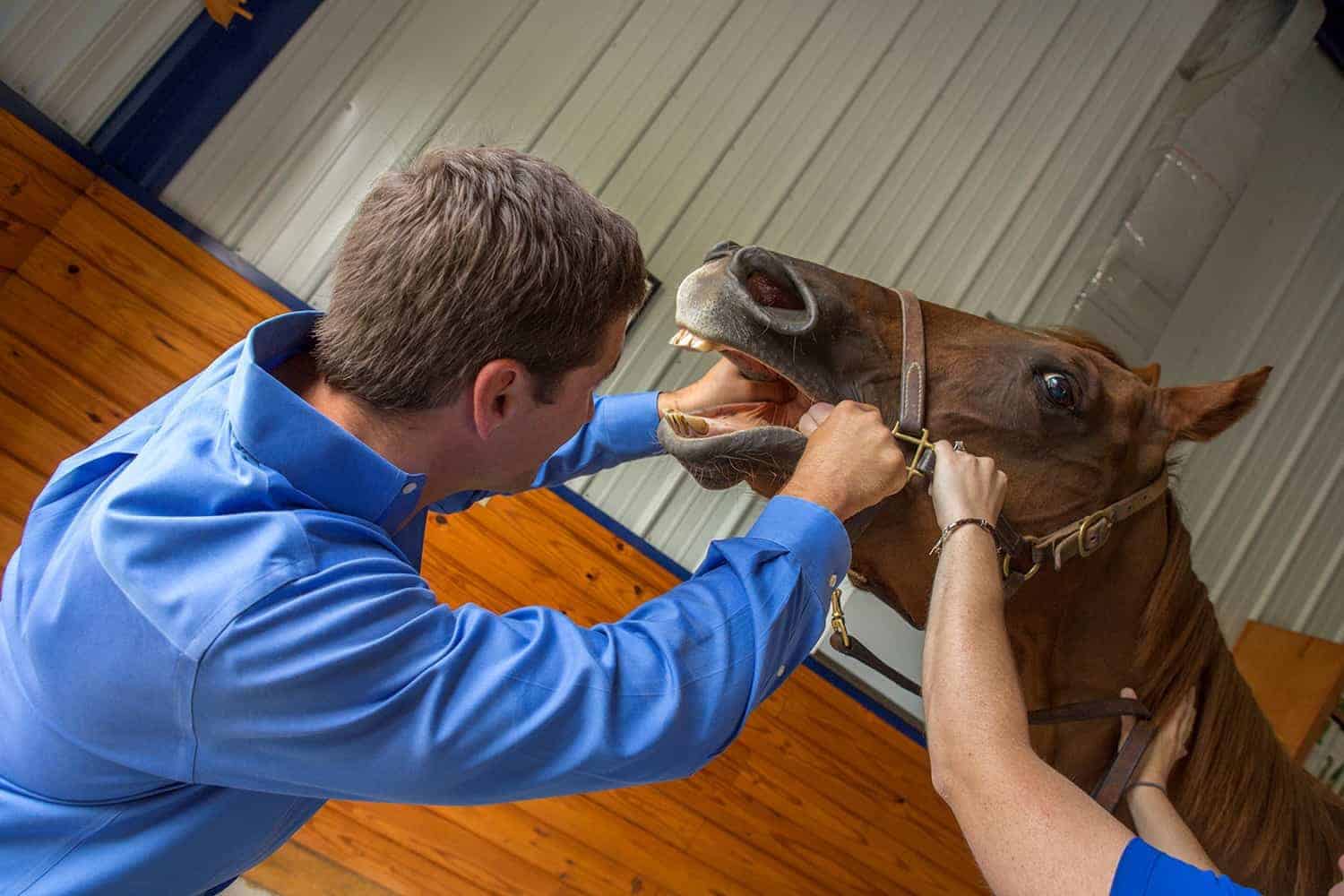
Equine Dentistry: Why It Matters for Horse Health and Performance
Equine dentistry is a critical yet sometimes overlooked aspect of horse care. A horse’s teeth continuously erupt throughout its life, and without proper maintenance, dental issues can lead to pain, poor nutrition, behavioral problems, and decreased performance. Whether for a working horse, a show competitor, or a companion animal, routine dental care plays a vital role in overall health and longevity.
Understanding the Equine Mouth
Horses have a unique dental structure compared to many other animals. They are herbivores designed to graze for long periods, which naturally wears down their teeth. However, domesticated feeding practices—such as hay nets, grain diets, and limited grazing can disrupt this natural wear pattern.
A typical adult horse has between 36 and 44 teeth, including incisors, premolars, molars, and sometimes canine teeth. Because their teeth grow continuously, uneven wear can result in sharp enamel points, hooks, waves, or other abnormalities. These issues can cause discomfort, difficulty chewing, and even injury to the cheeks and tongue.
Common Dental Problems in Horses
Several dental issues commonly affect horses:
- Sharp enamel points – These form on the edges of teeth and can cut the inside of the mouth.
- Hooks and ramps – Overgrowths that interfere with proper jaw movement.
- Wave mouth – Uneven wear that creates a wave-like pattern across the teeth.
- Loose or fractured teeth – Often caused by trauma or age-related wear.
- Periodontal disease – Infection of the gums and structures supporting the teeth.
Signs of dental problems may include dropping feed (quidding), weight loss, bad breath, resistance to the bite, head tossing, or difficulty chewing. Because horses often hide discomfort, regular dental exams are essential even when symptoms are not obvious.
Routine dental care typically involves a process known as “floating,” where a veterinarian or qualified equine dental technician files down sharp points and corrects uneven surfaces. Most horses benefit from dental exams once or twice a year, depending on age, diet, and overall condition.
Young horses may need more frequent attention as their teeth develop, while older horses often require monitoring for tooth loss or decay. Performance horses, in particular, benefit from consistent dental care to ensure comfort and responsiveness under saddle.
Proper dental care improves digestion by allowing horses to chew their food more effectively. This leads to better nutrient absorption and can prevent gastrointestinal issues such as colic.
Mobile Equine Dentistry Services
In recent years, mobile equine dentistry services have become increasingly popular. These services bring dental care directly to the horse’s location, eliminating the need for transportation to a clinic.
Mobile practitioners are equipped with specialized tools, including power floats, sedation equipment (when administered by a veterinarian), and lighting systems to perform thorough examinations and treatments on-site. This convenience is especially valuable for owners with multiple horses or limited access to veterinary facilities.
Another advantage of mobile services is reduced stress for the horse. Transporting a horse can be time-consuming and anxiety-inducing, particularly for animals that are not accustomed to travel. By receiving care in a familiar environment, horses often remain calmer and easier to handle.
Benefits of Mobile Dental Care for Horse Owners
Mobile equine dentistry also offers practical benefits for owners:
- Time efficiency – No need to haul horses to a clinic.
- Group appointments – Multiple horses can be treated in one visit.
- Flexible scheduling – Easier coordination for barns and stables.
- Preventative care focus – Encourages regular checkups due to convenience.
For boarding facilities, training barns, and rural areas, mobile dentistry has become an essential service that supports consistent and accessible care.
Modern equine dentistry has advanced significantly over the years. Power floating tools allow for more precise and efficient corrections compared to traditional hand tools. Digital imaging and endoscopic equipment can also help identify hidden issues, such as tooth root infections or sinus involvement.
Sedation, when necessary, allows for safer and more thorough procedures. It minimizes movement and stress, ensuring that practitioners can perform detailed work without causing discomfort.
These advancements have made equine dentistry more effective and less invasive, improving outcomes for horses of all ages.
Preventative Care and Owner Responsibility
While professional dental care is essential, horse owners also play a key role in maintaining dental health. Providing a balanced diet, ensuring access to forage, and monitoring for changes in eating behavior can help prevent problems from developing.
Regular observation is important. If a horse begins to lose weight, eat slowly, or show signs of discomfort, a dental issue may be the cause. Early intervention can prevent minor problems from becoming serious conditions.
According to the American Veterinary Medical Association, routine dental care is a critical component of overall animal health and helps prevent pain, infection, and systemic complications. *
Conclusion
Equine dentistry is not just about maintaining teeth—it is about ensuring a horse’s comfort, health, and performance. With regular care, early detection of issues, and the convenience of mobile services, horse owners can provide a high standard of care that supports long-term well-being.
As awareness continues to grow, equine dentistry is becoming a standard part of responsible horse ownership. Investing in dental care today can prevent costly and painful problems in the future.
How often should a horse have its teeth checked?
Most horses should have a dental exam at least once a year. Younger and older horses may require more frequent checkups.
What is “floating” a horse’s teeth?
Floating is the process of filing down sharp edges and correcting uneven wear to ensure proper chewing and comfort.
Do horses need sedation for dental work?
Some procedures require sedation to keep the horse calm and allow for a thorough and safe examination. This is typically administered by a veterinarian.
What are signs my horse has dental problems?
Common signs include dropping food, weight loss, bad breath, resistance to the bit, and difficulty chewing.
Are mobile equine dental services safe?
Yes, when performed by qualified professionals. Mobile services are widely used and provide convenient, effective care.
*The source referenced is the American Veterinary Medical Association (AVMA), a trusted organization that provides guidelines and educational resources on animal health and veterinary care. Their recommendations emphasize the importance of routine dental care in preventing pain and maintaining overall health in animals.*
*FAQ provided by Arizona Mobile Vet, a mobile equine dentistry provider in Phoenix, AZ.
